
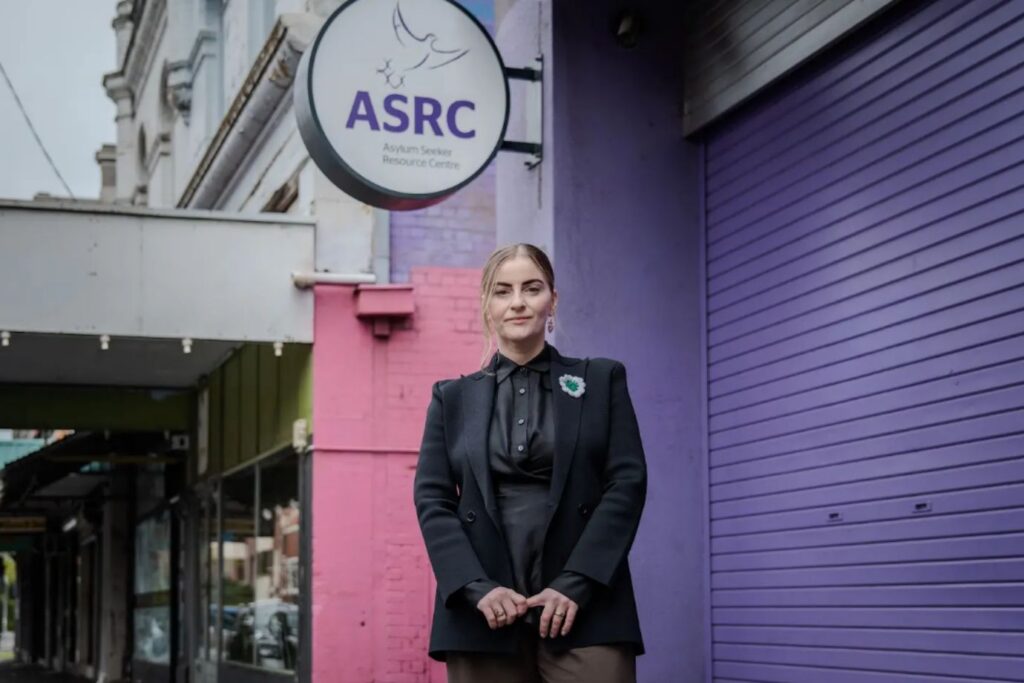
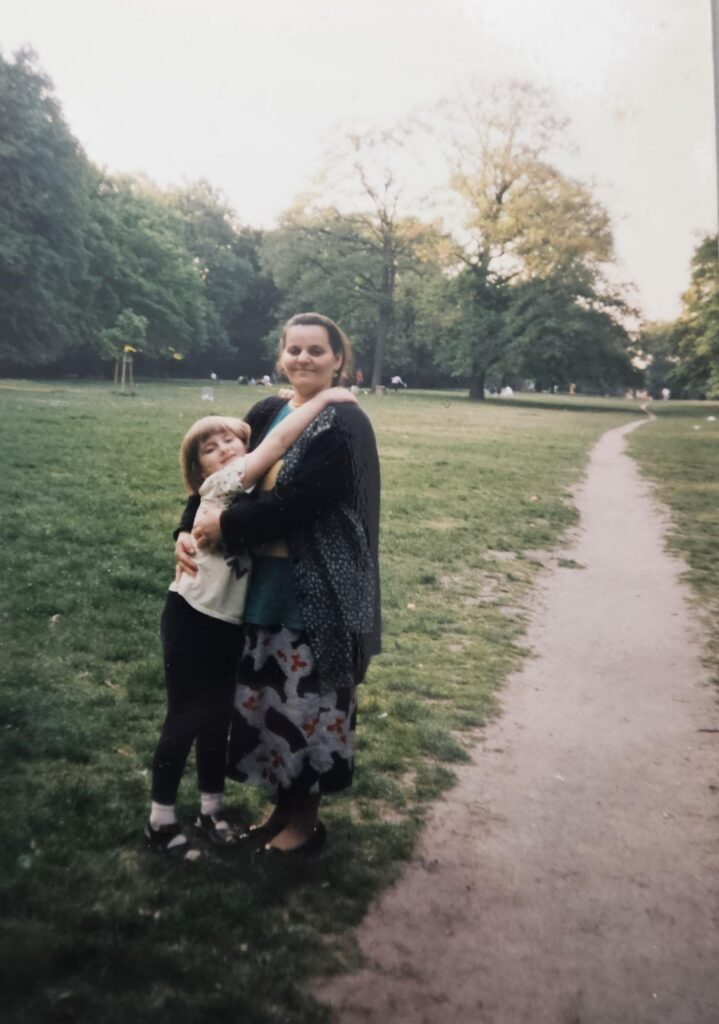
Refugees are simply people whose lives were interrupted – whether that be by conflict, circumstance or persecution. Anyone can become a refugee. My father was a professor living a normal, safe life with his family. My mother an economist, juggling a career and two young kids. As many of us do today. But their lives just so happened to be in Srebrenica, Bosnia and Herzegovina, in the 1990’s. My father and my grandfathers were killed alongside more than 8,000 Bosniak Muslim men and boys during the Bosnian genocide. With my mother, brother, and grandmother, I became a refugee.
We spent years moving between temporary refugee accommodations across Europe. In Slovenia, we lived in army barracks where food was rationed at mealtimes, and we had no access to schooling or freedom of movement. In Germany, we lived on temporary permissions that had to be renewed, initially yearly, then as frequently as 6 weeks. Never knowing if you may be sent back to a warzone next time your temporary stay was up for renewal. We relied on food vouchers and pre-packed hampers. In 2000, we finally arrived in Melbourne, settling in Dandenong.
By then, the community services that had been in place to support earlier arrivals from Bosnia to Australia had been dismantled. We were navigating a completely unfamiliar country without mobile phones, internet or community infrastructure. The simplest of things, like setting up a home, enrolling us in school and buying groceries, were, understandably, incredibly overwhelming for my mother.
Now, 26 years later, I work with charities that support newly arrived refugees. I remember helping someone set up a washing machine, and we went to a hardware store to buy a plug. It was then that the thought occurred to me, “Who did this for my mum? Who would have gone to a hardware store with her? How did she buy or assemble our beds?” But we never even noticed what must have been the difficulties she endured. We felt safe and cared for at all times. It’s the smallest things that often make the most lasting impressions.
A dignified model of support
At that time, the Asylum Seeker Resource Centre (ASRC) was providing food relief to families seeking asylum and refugees from its original location, a small, hole-in-the-wall shop in Footscray. I was one of the first people the ASRC supported, all those years ago. For me, one of the things that has stayed with me was the dignity of our experience.
Unlike receiving rations or food hampers, the ASRC allowed us to choose our own food. We could walk through the space with a trolley and choose what felt closest to home. It felt like going shopping, and that sense of agency and normality left a lasting impression on me.
The double standard for refugees
I was lucky enough to be able to make the most of the opportunities Australia afforded me. I studied law and commerce and pursued a career in accounting, and now proudly own my own advisory firm – Acuity One. Giving back to the prosperity of a nation that gave so much to me.
My success has been partly the result of hard work and sacrifice, a warm home and stability, but partly the inherent privilege that comes from coming from an educated, white, European family. All through my Australian childhood and into adulthood, I fit the bill of a “good migrant”. The double standard is stark. And yet, all refugees, wherever they come from, however they got here, whatever the gruelling circumstances that made them flee, want the exact same things for their children that my mother wanted for me: safety, normality and a chance to contribute.
Growing up, I noticed that people seeking asylum were constantly politicised. Used as fodder for politicians to debate what are, all too often, racist and discriminatory policies.
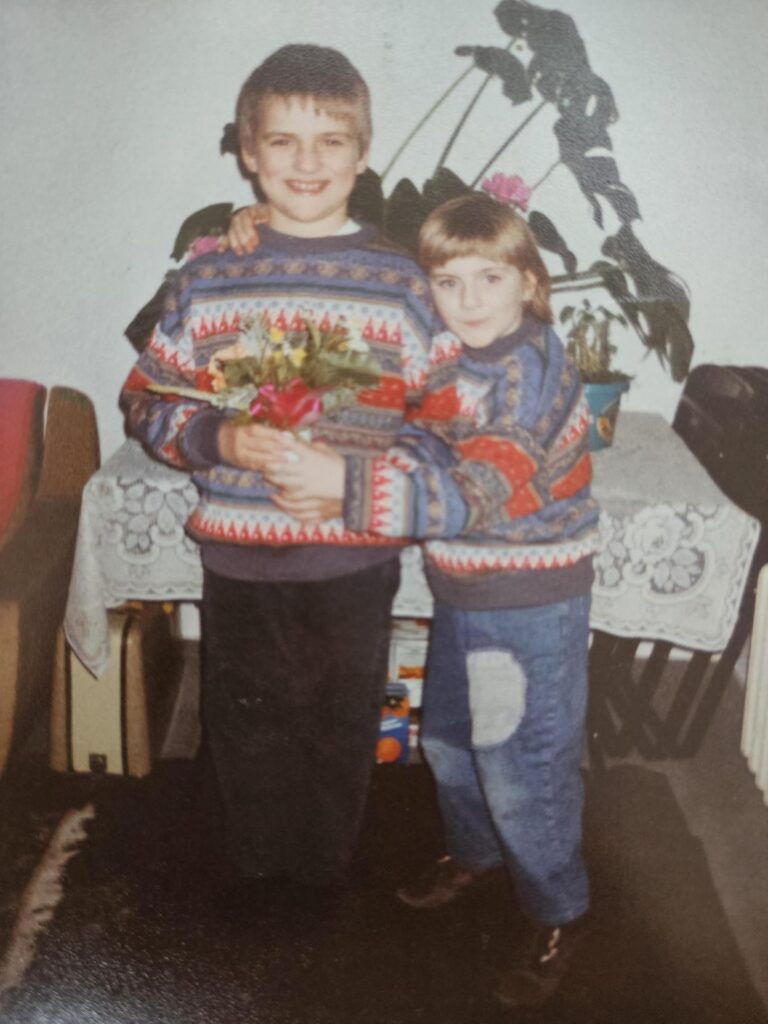
I only tell my family’s story to challenge narratives that blame migrants for systemic failures. I tell it from a place of having witnessed what divisive, hateful rhetoric for political gains does. It’s what made me a refugee, and it didn’t happen in a vacuum or overnight. Australia is not immune.
Refugees are people who, when given safety and opportunity, like myself, go on to contribute immensely to their communities.
When we talk about “integrating into Australian society”, that doesn’t happen because you are a “good migrant”, that happens because a strong, long-term framework exists, institutionally, structurally, and socially, to allow you to thrive. My success has not taken away that of any other “Australian”. We are a part of the Australian story. I am proud to be just one of a million stories in Australia, and one of thousands that have been supported by the ASRC over the years. I hope my story helps others understand that practical, ongoing support, delivered with dignity in one’s own community, can not only rebuild lives but also build the foundations for a more resilient and empathetic society.