
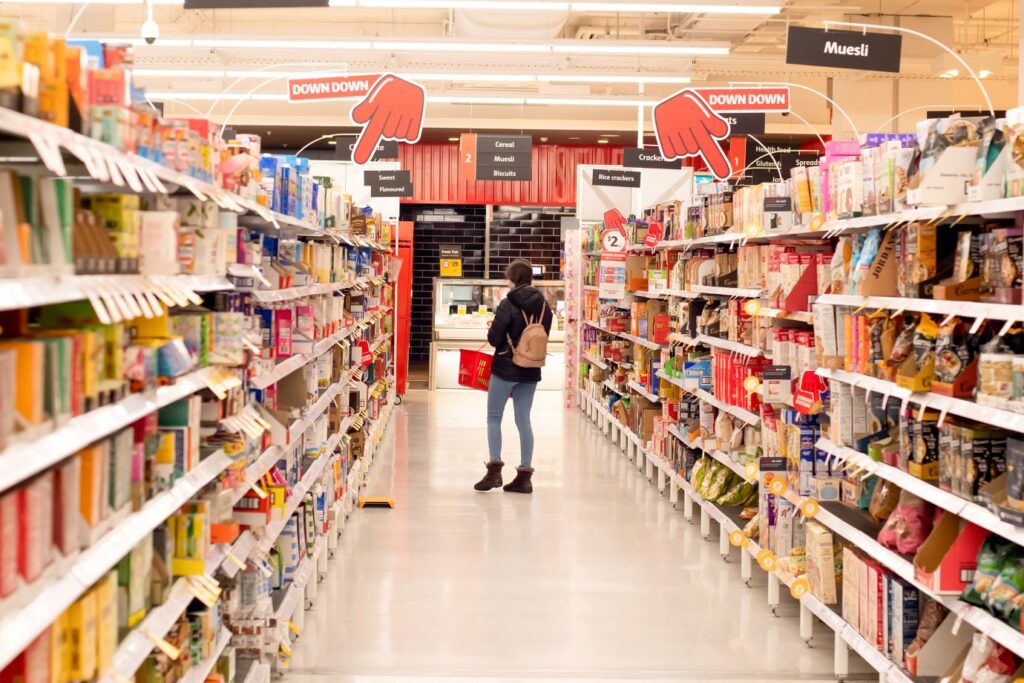
One in three Australian households experienced food insecurity in the past 12 months, with nearly seven in 10 single-parent households now considered food insecure.
These figures come from this year’s Foodbank report, which provides a snapshot of the hunger problem facing large cohorts of Australians. Food insecurity now affects 3.5 million households.
Australia’s housing affordability crisis is “supercharing” food insecurtiy, according to Foodbank. Half of renting households experienced food insecurity in 2025, while 67 per cent of households that include someone with a disability or health issue have also experienced it in the past 12 months.
We know the majority of single-parent households in Australia are led by single mothers and the severity of food insecurity worsened over the past 12 months, with a five-percentage point increase in severe food insecurity for this group.
Kylea Tink, who was recently appointed as the new Foodbank Australia CEO, says hunger is a mainstream issue in Australia right now.
She’s putting pressure on the federal government to act.
“While we dismiss hunger as something that only impacts the most vulnerable in our community, this year’s Foodbank Hunger Report shows households of all stripes, from those that are employed, are renting or have mortgages to those, raising children, or living with disability, neighbours, friends and family we all know – are reporting food insecurity as a fact of life for them,” Tink said.
“This is not a fringe issue.”
Foodbank Australia is urging the government to adopt a National Food Donation Tax Incentive, which would make it cost effective for farmers, growers and manufactures to donate edible, surplus production to food relief organisations. Currently, much of this is sent to landfill.
“Food insecurity doesn’t happen in isolation – it’s a combination of a debilitating and incessant cost of living crisis, slow-growing wages struggling, inflationary pressure, unaffordable housing, and an inadequate safety net. Food insecurity can be eradicated, but the Federal Government must step up, lead and take smart action to ensure Australians are not going hungry,” said Ms Tink.
“Right now, it’s cheaper for many food producers to throw away perfectly good food, rather than donate it. This is madness when millions of Australians are going without meals.”
Independent MP Nicolette Boele says a National Food Donation Tax Incentive is “common sense”.

“When one in three households are struggling to put food on the table, that’s not something we can shrug off,” Boele said.
“We need practical solutions that match the scale of the problem, like a National Food Donation Tax Incentive. It’s just common sense – good food should go to people, not landfill. No one in Australia should be choosing between paying rent and putting food on the table.”
Food relief as a pillar of disaster preparedness
Foodbank is also urging the federal government to recognise food relief as a pillar of disaster preparedness as climate change worsens.
“When disaster strikes, Foodbank provides emergency supplies, food, water and cleaning products to impacted communities and first responders,” Tink said.
“But the need doesn’t end when the flames or floods subside. Economic hardship lingers long after the cleanup, and Foodbank continues working with communities to help people get back on their feet. We need urgent funding to support these communities in the years it takes to rebuild.”
Foodbank’s report also highlights the continuing stigma around hunger in Australia, with shame and uncertainty a key issue. Although awareness of food insecurity is growing, only 53 per cent of people said they knew where they could get support or food relief if they needed it.
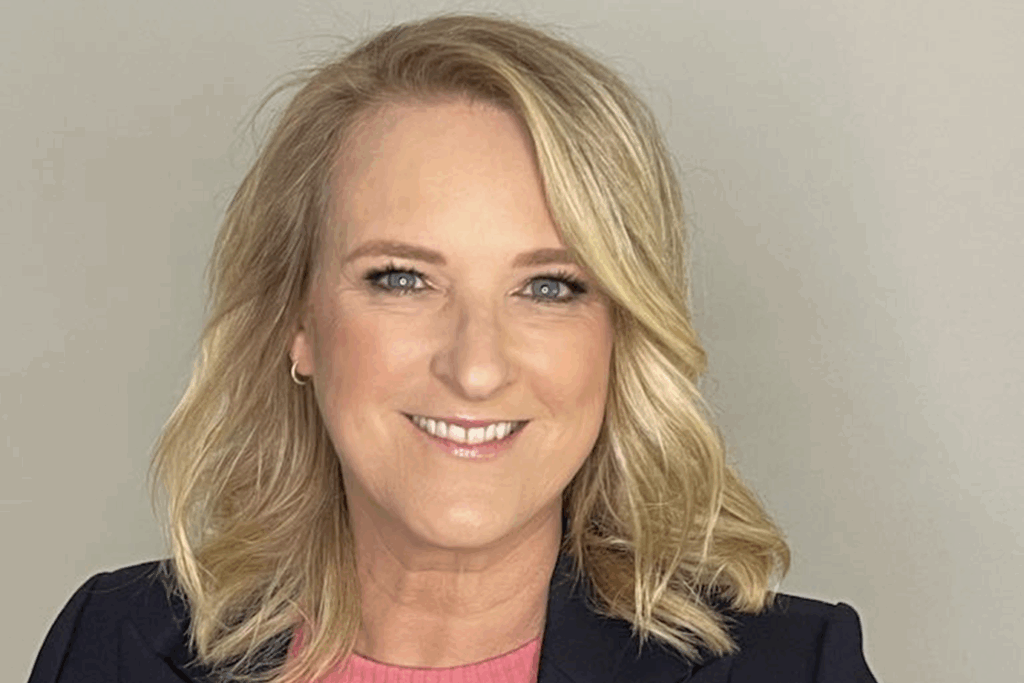
Feature image: Foodbank Australia CEO Kylea Tink.