
Once in a while, someone says something so obvious that you find yourself wondering why we don’t hear it more regularly, particularly from the people with the greatest influence over the next gen of boys.
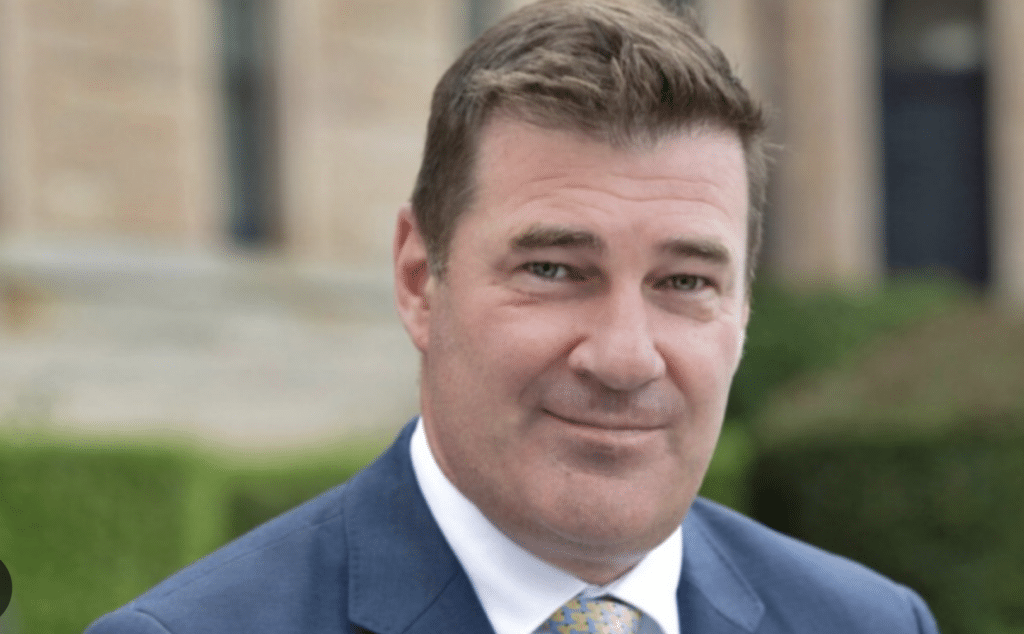
Last week, St Joseph’s College headmaster Michael Blake stood in front of his students and said this:
“I want every young woman who encounters a Joe Boy to be safer because you are there — not merely safe from you, safer because of you.”
Blake’s words hit home in a way that I’ve rarely encountered, even after years of reporting on these stories and men’s violence against women.
Not merely safe from you. Safer because of you.
The sentiment quickly picked up pace on social media, with commentators praising Blake’s perfect framing. Indeed, it’s hard to think of a better way to explain what we should be asking of boys and young men right now.
It rejigged the current framing of the conversation, which to be honest, sets a very low bar—and that is: I would never sexually assault someone. I would never hurt a woman.
Yep, OK. Well done, I guess?
But surely we can ask more of boys and men than simply not committing violence or assault against women. Surely, there’s more for them to get stuck into here?
Women’s safety shouldn’t rest on whether the particular man standing next to us happens to be one of the “good ones”. The men around us should be actively contributing to safer spaces. From challenging their mates, calling something out or stepping in when something doesn’t feel right. More of that, and we’d be sure to see a shift.
And of course, Blake’s speech came at a particularly potent point in time.
The serious sexual assault allegations involving three students from Sydney’s Scots College and the cultures surrounding them have placed a sharp spotlight on things. These spotlights however, have a way of dimming down fairly quickly unless we keep our finger on the switch.

St Joseph’s wasn’t implicated in those allegations, and so, reasonably, Blake could have opted for the easier road and decided the headlines were just another school’s problem, or something for police and the courts to deal with.
Instead, he chose the rougher terrain, speaking directly to his boys.
“It has been a difficult week to be a man. But it’s been infinitely harder to be female,” he told them, refusing to fall into the familiar rush to reassure boys and men that we’re not talking about all of them.
As Blake drilled home, for women, this isn’t simply a difficult week, but “a sad, ongoing reality.”
Historically, Australia’s elite institutions haven’t always been particularly good at confronting uncomfortable truths without first worrying about what those truths might do to their reputation.
We’ve seen it repeatedly. Allegations emerge, survivors speak and investigations follow.
But in the interim, carefully worded statements (like the ones recently by Scots’ and the Sydney Swans) are issued, attempting to absolve the institutions of responsibility.
At Sydney’s prestigious Cranbrook, historical allegations of abuse and questions around how serious concerns were handled have been the subject of years of scrutiny, with survivors continuing to seek justice and accountability.
And then there is what happens when these boys leave school and carry those cultures into adulthood.
In 2024, students at the University of Sydney were filmed tearing up copies of The Red Zone report, which documented allegations and experiences of sexual violence and harassment within university residential colleges.
I challenge you to find a more depressing metaphor than that of a report documenting concerns about sexual violence being literally torn apart.
What I appreciated most about Blake’s honesty, was that he wasn’t attacking the boys in front of him or asking them to feel guilty for being male. But he was asking more of them, and urging them to consider the cultures they’re being raised in that continue to make things harder and more dangerous for their female counterparts.
Because boys are capable of hearing difficult things and understanding that being a good man should mean more than simply being able to say, I would never do that.
We should be asking them what they will do when somebody else does it. Because as they grow up, they’ll undoubtedly be privy to something–something that puts girls or women at risk.
Will they laugh along because everyone else is? Will they stay quiet because challenging a mate might make things awkward? Or will they become the kind of men who make it harder for harmful behaviour to continue?
Imagine being a teenage boy and hearing the man in charge of your school tell you that one measure of the man you become will be whether women are safer because you’re around, and encouraging you to speak up and use your immense privilege for good.
This one school assembly isn’t going to solve violence against women, obviously. One speech won’t undo the steady stream of sexism and entitlement that we’ve grown accustomed to.
But Blake’s leadership does matter.
And there is something particularly powerful about a man in charge of a prestigious boys’ school refusing to treat women’s safety as someone else’s problem, or waiting until his own school is implicated in a scandal before addressing it.