

Australian women are more ambitious than ever, but gaps in career clarity, visibility in the workplace and employer support are slowing their career progression.
Today, Women’s Agenda launches its new Women’s Workplace Visibility Report 2026, produced in partnership with Cultivate Sponsorship. It draws on insights from hundreds of Australian women across career stages, providing a snapshot of their experiences navigating the workplace, their goals and ambitions and approaches to career planning.
The findings offer one of the sharpest pictures yet of what women hope to achieve in their careers, the key structural barriers holding women back in the workplace, as well as what organisations can do to better support them.
The survey found Australian women are ambitious, with 55 per cent hoping to get a promotion in the next three years, but 43 per cent of women say a lack of clear options is getting in the way of their next promotion.
Meanwhile, 37 per cent of women say a lack of visibility in the workplace is the key barrier to promotion.
“We’ve spent years hearing that women, and particularly culturally diverse and First Nations women, ‘self-select out’ of leadership. This survey shows the opposite,” Managing Director of Cultivate Sponsorship, Katriina Tähkä said.
“Fifty-five per cent of respondents want a promotion in the next three years, and the sample is senior, with half more than 15 years into their careers. The barriers they name aren’t about skill. They’re about clarity and visibility. Only 12 per cent point to a lack of skills or experience.”
The majority (60 per cent) of the culturally and linguistically diverse (CALD) women surveyed say they talk openly about their career goals with friends outside of work. But only 26 per cent raise those ambitions with their immediate manager, and just 19 per cent with peers and colleagues.
Nearly one in three women in this CALD cohort said their employer has pulled back on initiatives supporting women in the past year, while just under a quarter said their current or most recent employer offers adequate opportunities for mentorship or sponsorship for women.
“For culturally diverse women specifically, the survey adds real texture to the discrimination and competition they navigate on top of that visibility gap,” Tähkä said.
“This isn’t a story about confidence. It’s a story about structure and the workplace culture that people need to navigate; and eventually choose to stay in or not.”
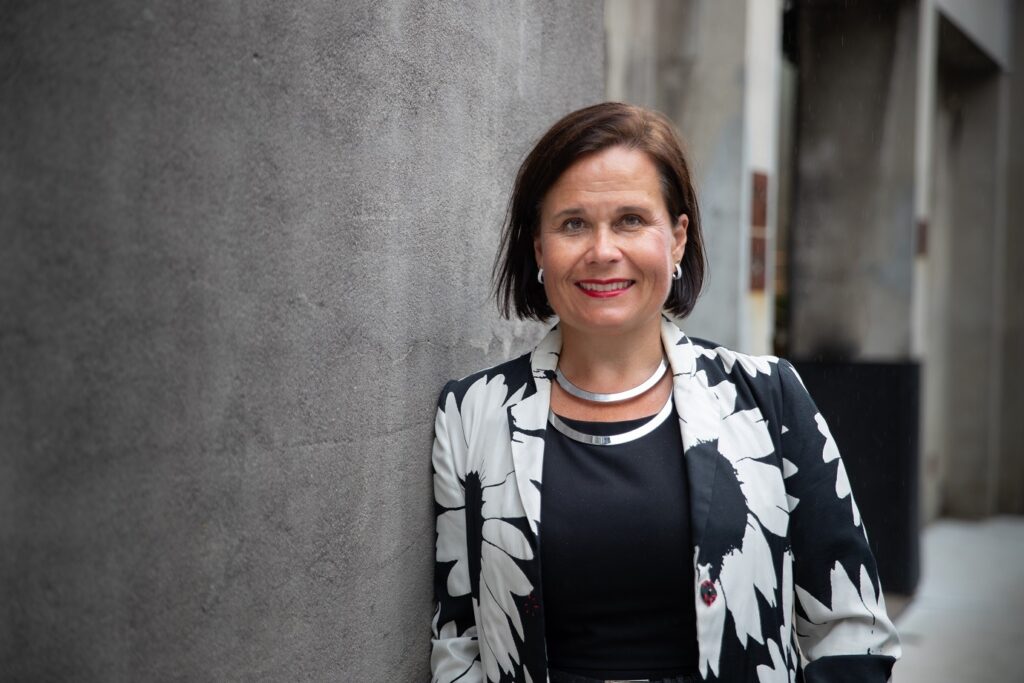
The Women’s Workplace Visibility Report 2026 also shares the voices of hundreds of women who told us what holds them back from voicing their career ambitions.

“More senior managers don’t ask/seem interested, even my manager, although they provide positive feedback isn’t that supportive because it will mean I leave her team,” one respondent said.
“I have the issue where I’m great at my current role so they don’t want me to progress because they are used to me doing their role too,” another said.
“Competitiveness and scarcity of options for women in leadership positions,” one culturally diverse woman noted.
First Nations women shared that their lived experience and understanding of cultural safety is an additional skill set they bring to their work. It’s often under-acknowledged by their employers, they noted.
“I am always the first to step in and provide support when it’s required. Often being commended for my ability to strategically analyse and get in and get the job done, while also supporting and motivating others,” one First Nations respondent said.
The report also details ways employers can actively support women’s ambitions in the workplace, including encouraging open conversations and treating curated sponsorship programs as infrastructure.
Sponsorship can change who gets seen, supported, and promoted in organisations by pairing high-potential women who may be overlooked in informal networks with influential senior leaders.
“Start by asking who in your organisation is actually hearing from these women, and who should be. If the answer is “just their line manager,” you already have your first action item,” Tähkä says.
“For women who’ve felt overlooked or have experienced discrimination, the value isn’t just visibility for its own sake. It’s having someone senior enough to change how a room reads you, and structured enough that it doesn’t depend on luck, timing, or whether your manager happens to be a good advocate.”
Read the full Women’s Workplace Visibility Report 2026 here.