
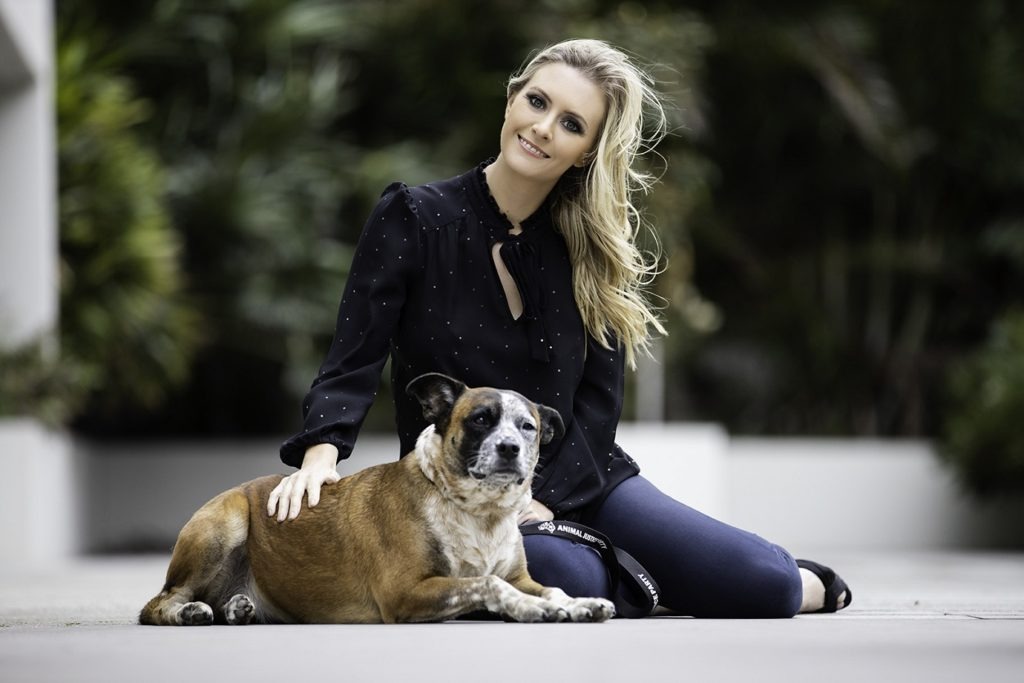
NSW parliament is currently debating a bill that allow authorities to receive undercover footage and investigate when in the public interest. Animal Justice MP Emma Hurst says it would encourage reporting of animal abuse and should be supported by all sides of politics. She explains more below.
The NSW Coalition needs a wake-up call. At a time when voters are already turning away and their party is losing seats and public support; they are playing political games with serious legislative reform.
A current Bill before the NSW Upper House would allow authorities to lawfully receive undercover footage and investigate when in the public interest. Think hidden-camera footage exposing child abuse, elder abuse, animal abuse or even political corruption. Currently NSW is the only state that does not allow the authorities to receive or use such footage for major crime investigations. The result is that whistleblowers don’t come forward, and these crimes are allowed to continue undetected.
This should be a straightforward reform for the Coalition to support. Instead, they are playing political games on the Bill, including proposing amendments that would stop animal protection authorities from receiving and acting on animal cruelty footage.
This is a serious mistake.
Animal abuse is not a low-level crime. It’s often deliberate, harmful, and in many cases hidden – because, of course, animals cannot report their abuse. Undercover footage has revealed animal sexual abuse in a piggery in Victoria, and the bashing in of pigs’ heads with a metal pole in a piggery in NSW. Our laws should encourage reporting of such abuses, not help cover them up and to stop any authority from investigating cruelty like this caught on camera.
But voting to help hide animal abuse from the authorities has far reaching unintended consequences that the Coalition should be prepared to justify. There is a well-established link in research between animal cruelty and other forms of violence. The reality is that animal abusers and child abusers are often the same people. Limiting the ability of animal protection authorities to receive credible, relevant evidence creates blind spots in broader enforcement efforts and allows other forms of extreme abuse, including child abuse, to be covered up. Animal protection authorities investigating animal cruelty can and do come across evidence of other crimes in the process, particularly child sexual abuse, bringing it to light and allowing it to be acted on.
If those entry points are blocked or weakened, opportunities to identify and intervene may be lost, allowing the abuse to continue.
Any political party that seeks to shield animal abusers from proper investigation is, whether they intend it or not, also reducing the likelihood that those who may harm children are identified and stopped.
But, of course, the question remains, why would anyone ever want to protect animal abusers from investigation and prosecution?
At a time when public trust in politics is already low, people want leaders who vote for what is right, not those focussed on political games over and above protecting the most vulnerable in the community. Ensuring the ability of authorities to investigate serious wrongdoing should not be controversial. Blocking it raises a simple but uncomfortable question: who benefits from keeping this kind of evidence away from investigation, and why is the Coalition throwing their support behind these individuals?