
“There are two kinds of people who will thrive in the age of artificial intelligence. Tradespeople. And neurodivergent people.”
The above claim from Palantir CEO Alex Karp, while speaking about the future of AI and work, stopped me mid-scroll.
Karp, who has spoken openly about being dyslexic, frames neurodivergence as a mindset rather than a diagnosis. The AI era, he suggested, will reward people who think differently, take risks, and approach problems from unexpected angles. That observation comes from a genuinely neurodivergent place, and I respect it for that.
What’s more, it resonates so deeply with my personal lived experience.
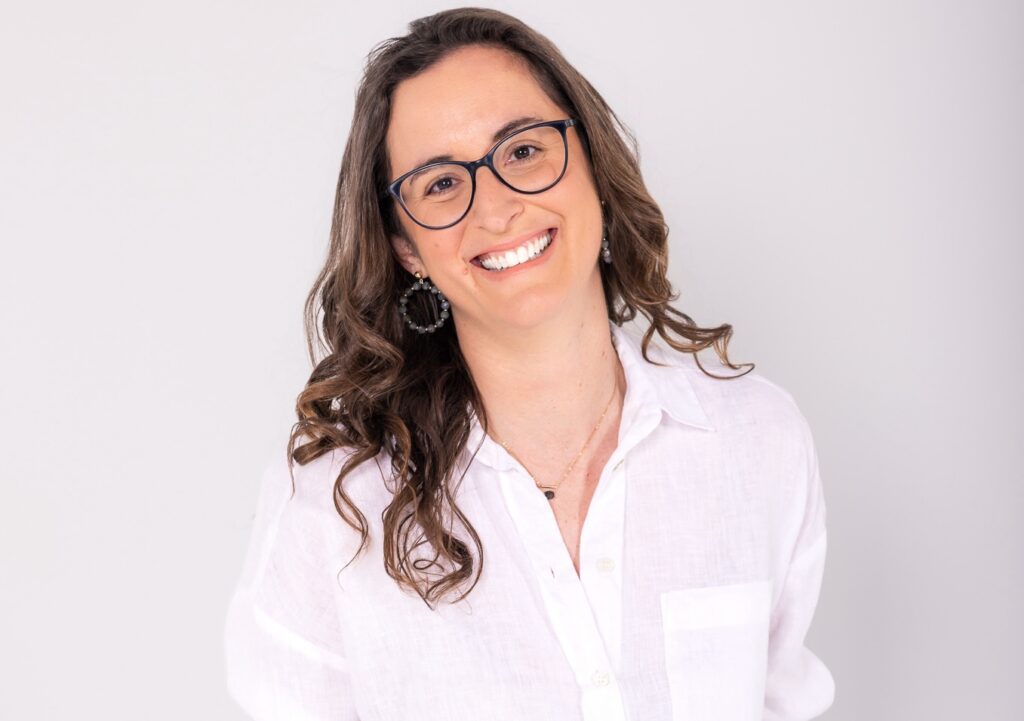
I am AuDHD. I have worked in AI since 2014; most recently, launching my own AI-native startups to bridge the neurodivergence gap. I know from lived experience that the way my brain works, the pattern recognition, the ability to hold complexity, the refusal to accept the obvious answer, has become a clear advantage in an AI-driven world, .
AI is reshuffling the deck on whose cognitive style gets rewarded. For some of us, that reshuffling feels long overdue.
But what came next was a very specific kind of unease: I felt seen and flattened at once.
Seen, because I am one of the neurodivergent people this “superhero and “gifted” narrative describes. This is not a brag, but I have a set of skills that came with my brain: I present well in interviews. I can mask when I need to. The system, imperfect as it is, has made room for me.
But not every neurodivergent is “gifted” or will benefit from the AI era. And having spent years trying to shift the conversation about what neurodivergence actually looks like, in families, in classrooms, in boardrooms, in leadership and workplace conversations, in therapy waiting rooms, in the moments when things are hard, and nobody is watching, I know it too well.
And it is precisely because I can see both sides of this story that I feel a responsibility to say: the system is not suddenly making as much room for neurodivergent people as the headlines suggest.
The system and the room still exclude.
The autistic adults who cannot access employment at all, not because they lack brilliance, but because workplaces won’t accommodate them, remain excluded. The families spending 33 hours a week on caregiving coordination, with no support, no respite, and no visibility, remain excluded. Every neurodivergent person who is not a gifted outlier able to perform unconventional thinking on cue in a competitive application process remains excluded.

On World Autism Awareness Day, that gap between who is included and who is excluded matters more than ever.
The opportunity is real but the how is still wishful thinking
The corporate world is beginning to wake up. Gartner predicts that by 2027, 25 per cent of Fortune 500 companies will actively recruit neurodivergent talent to improve business performance. Palantir’s Neurodivergent Fellowship is a concrete, early expression of that shift: a dedicated program offering real projects, meaningful stipends, and a hiring pathway designed for people whose strengths may not show up in a conventional interview. Initiatives that challenge the traditional pipeline rather than simply adding diversity quotas are exactly the kind of structural thinking this conversation needs more of.
And yet, unemployment for neurodivergent adults runs at 30 to 40 per cent, eight times the rate for people without disabilities. Welcoming neurodivergent talent through the front door while the workplace itself remains unchanged is not inclusion. It is recruitment without accommodation, and for many neurodivergent people, it leads not to opportunity but to a faster, more visible form of the same burnout they have always experienced.
Gartner’s own language is instructive. It doesn’t just predict more neurodivergent hiring. It predicts that organisations that hire and retain neurodivergent talent will see increased engagement, productivity, and innovation across the entire workforce. Retention requires something recruitment does not: a workplace that has actually changed.
A Pendulum is not progress
For most of history, neurodivergent people were rendered invisible. Misdiagnosed, institutionalised, or simply told they were broken. Diagnostic frameworks were built almost entirely around people who could mask well enough to be studied. Those who couldn’t mask and perform were hidden from the conversation entirely.
Which is why I find myself pausing when Karp’s framing is amplified in a particular way. Karp himself speaks from genuine personal experience. But the broader pattern, one where neurodivergent people are positioned as the cognitive elite of the AI era, carries a quiet implication about which neurodivergent people count.
When Peter Thiel has been quoted as saying Asperger’s syndrome – no longer an official diagnosis since 2013 – is a positive for innovation, or when Elon Musk speaks publicly about autism as a driver of his success, those statements are true. But they describe a very specific slice of neurodivergent experience: people already resourced, already inside elite institutions, able to present in ways the current system rewards.
What real neuroaffirming inclusion looks like
The AI era is an opportunity to establish a more inclusive workforce, but it won’t just happen.
Workplaces have to work on their accommodation. It is the difference between a neurodivergent employee who thrives and fulfils Gartner’s predictions and one who leaves within a year. Flexible working, sensory-aware environments, clear and direct communication, managers who understand that output doesn’t always look the same at 9 am as it does at midnight.
AI era or not, until workplaces create the neuroaffirming environment needed, neurodivergent talent won’t thrive (or deliver)what the data promises.
On this World Autism Awareness Day
Karp is right that something is shifting. As a neurodivergent person who has lived that shift, I welcome the recognition, and I welcome the corporate momentum beginning to follow it.
What I am asking for is the rest of the story.
The pendulum has swung from broken to brilliant. For many of us, after decades of being told we were the problem, that swing is a relief. But progress that only reaches the people who were already partway there is not progress for the community. It is progress for a version of the community that was always going to be fine.
The truth lives somewhere more human than either extreme. It lives in the families doing the invisible work. In the autistic adults navigating a world that still wasn’t built for them. In the children who deserve support not because they might one day be useful to a tech company, but because they are here, whole, and matter now.
If you take one thing from this piece, let it be this: neurodivergent people don’t exist to serve your AI strategy. We exist, in the full complexity of who we are, and we deserve systems that reflect all of us, not just the parts that are currently useful.
That is the complete story. And on this day, it is the one worth telling.