

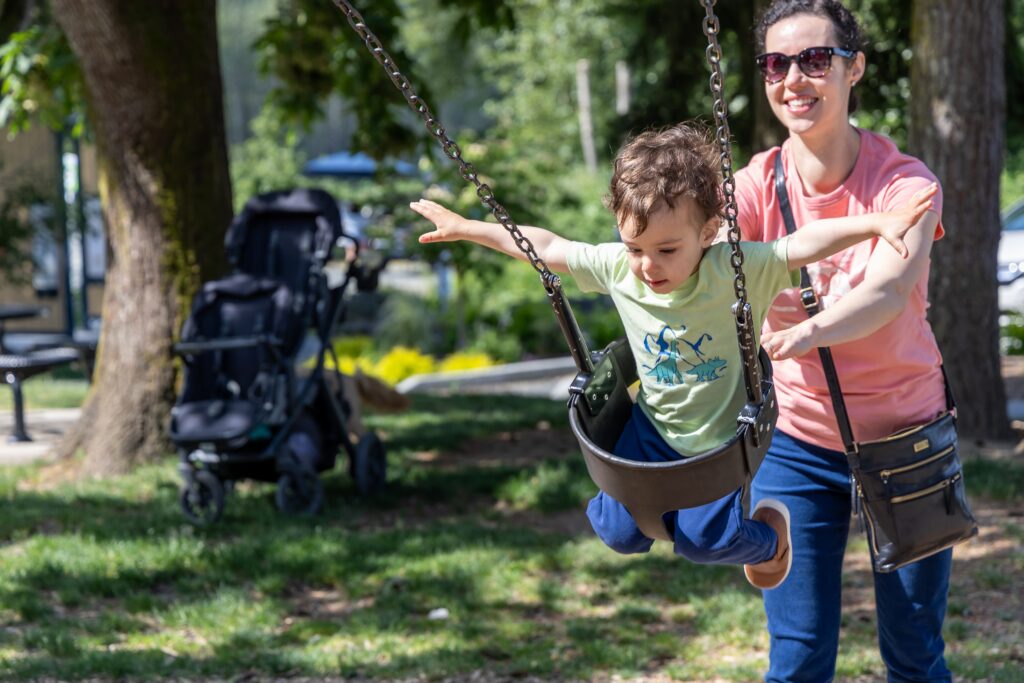
Parks and playgrounds are designed to help kids thrive but for the mothers who spend hours there with their children each week, they don’t necessarily provide the conditions needed to build meaningful connections.
It’s an issue that was brought to light in a recent national report that found loneliness is a common experience among mothers during their early years of parenting.
The Motherhood Index was released by Women’s Agenda in partnership with Medibank, finding 73 per cent of mothers feel lonely at least a few times each month.
Parks and playgrounds were cited as the most visited public spaces for new mums, but only five per cent of mothers said they have formed genuine friendships there. Meanwhile, a significant portion of respondents (65 per cent) said they had made no lasting connections at playgrounds or parks.
Not built for adult connection
Parks, playgrounds and even structured groups like rhyme time and play groups are designed for children’s activity and socialisation. They aren’t designed to help parents strike up conversations or build friendships.
In fact, the report suggests these spaces can unintentionally reinforce isolation rather than foster connection.
There are a number of recommendations to rethink how these public spaces are designed and could be used to better support mothers. For example, more playgrounds could have nearby seating, shade and a coffee truck on site. Simple design switches like this would offer mums more places to sit down for a coffee with a friend and keep a close eye on their children as they play.
Other freely accessible third spaces where mothers can be someone other than a parent are also desperately needed, the report said. This would support mothers to find new avenues for social connection and hobbies.
When only 38 per cent of mothers feel like they are part of a supportive “village”, it’s clear there is a real sense of longing for a time when neighbours would drop in and family would be close by. But in 2026, many mothers feel like these casual social interactions have been replaced by formal planning and logistics.
And while formal parents or mothers groups can be a great place to start, some women said these often bring together people with little in common beyond having babies of a similar age, making it harder to develop lasting friendships.
Instead, bringing women together based on shared interests, values or experiences could prove beneficial, the report suggests. Community initiatives like Mum Walk or Mama Tribe are working to fill that gap by creating opportunities that allow mothers to connect with one another.
Kimberly Kay from Mum Walk said it’s common for mothers to feel lonely in playgrounds or in structured child-focused activities.
“You can often go to these spaces and leave feeling lonelier because no one was there to facilitate connection, unless you’re feeling very brave that day, which is hard to do on no sleep, ” she said
“I think we need more spaces for mums to meet that are free, that are consistent and there for the primary purpose of connection. ”
Just 28 per cent of mothers surveyed said they made genuine friendships in formal mothers groups, while some women in regional and remote areas said they could not access them at all.
Also, expanding mothers group offering beyond just first-time mums could prove beneficial for second or third time mums who reported feeling structurally abandoned.
Keeping in touch with the workplace
An overwhelming majority of mothers (74 per cent) with a part-time or full-time job feel socially connected through their workplace. But periods of parental leave can effectively put a stop to this social infrastructure that allows for connections with colleagues.
Recommendations for workplaces include keeping communications and social channels open to women on parental leave. Some organisations provide an option to attend meetings or do training through a Keep in Touch Day program, which could help reduce isolation.
Making room for connection
This discussion around motherhood loneliness comes as we mark Loneliness Awareness Week and its theme, ‘Making Room For Connection’, which is all about the small acts that help us all show for each other, belong and feel less alone.
It’s a reminder that social connection doesn’t happen by accident, rather it grows when we intentionally create opportunity and spaces for connection.
Scientific Chair & CEO Ending Loneliness Together Professor Michelle Lim says for new parents managing this major life transition, it’s not unusual to feel loneliness creeping in.
“Being a parent is a life transition that comes with a social challenge. It changes your identity – it makes you reflect on who you are in relation to a new world. It can also shift the way you relate to others,” Professor Lim tells Women’s Agenda.
“It’s not unusual to feel lonely – it’s a signal for people to do something different or look for other connections that fulfill their changing social needs.”

Professor Lim said small acts are pathways to deeper and more meaningful relationships.
“Showing up and making room to connect makes a world of difference not just for yourself but for people who may feel lonely and are socially isolated,” she said.
For new mums or parents looking to build social connections that meet them where they are at, Professor Lim suggests reaching out to your local council or maternal health services to find out if there are free activities that have parents in mind.
You can find our Beyond the Village report, produced in partnership with Medibank, here.