
“You know, having kids can be an effective solution for endometriosis.”
I was 21 years old. I was newly single, having watched my boyfriend walk away a week before my (first) laparoscopy – where a surgeon slices through your skin to pump gas inside your belly and insert a camera to poke around.
And frankly I was flabbergasted by this suggestion from my gynaecologist that my just-diagnosed endometriosis meant I should run out and look for a mate to procreate with ASAP.
Seriously? This is the best advice you can give me?
From the first time I got my period at 13, I had suffered in quiet bloody agony. My periods were always extremely heavy – imagine nighttime pads all the time – and had no sense of regularity.
Because of my heavy periods, I would constantly leak through overnight. I remember overhearing comments about the stains on my sheets and questions about whether I might be secretly aborting an unwanted pregnancy.
By the time I got my diagnosis of endometriosis (followed by the double whammy of adenomyosis, where tissue similar to the lining of the uterus grows into the uterus’ muscle wall), the physical effects had taken a huge toll on my confidence, my studies, my relationships and my mental health.
Yet as I went through a whirling carousel of doctors, scans, tests and surgeries, rarely did any of the medical professionals look beyond the malfunctioning uterus to ask how I was handling all of this and if I was struggling with it all mentally or emotionally.
I now know that I’m not alone. A study of 9000 Australian women by Women’s Mental Health Australia has shown that nearly half (48%) of women with endometriosis and more than half (54%) of women living with adenomyosis report depression.
Mental health conditions like depression and anxiety, as well as suicide and self-harm rates, are also common among women living with other female-specific physical health conditions like polyendocrine metabolic ovarian syndrome (PMOS).
Women are suffering while their bodies and their minds are being treated as completely separate.
The links between my troublesome uterus and my mental health (I have been diagnosed with depression and anxiety, which I currently manage with medication and therapy) have never been raised by any of the doctors treating me for the physical conditions.
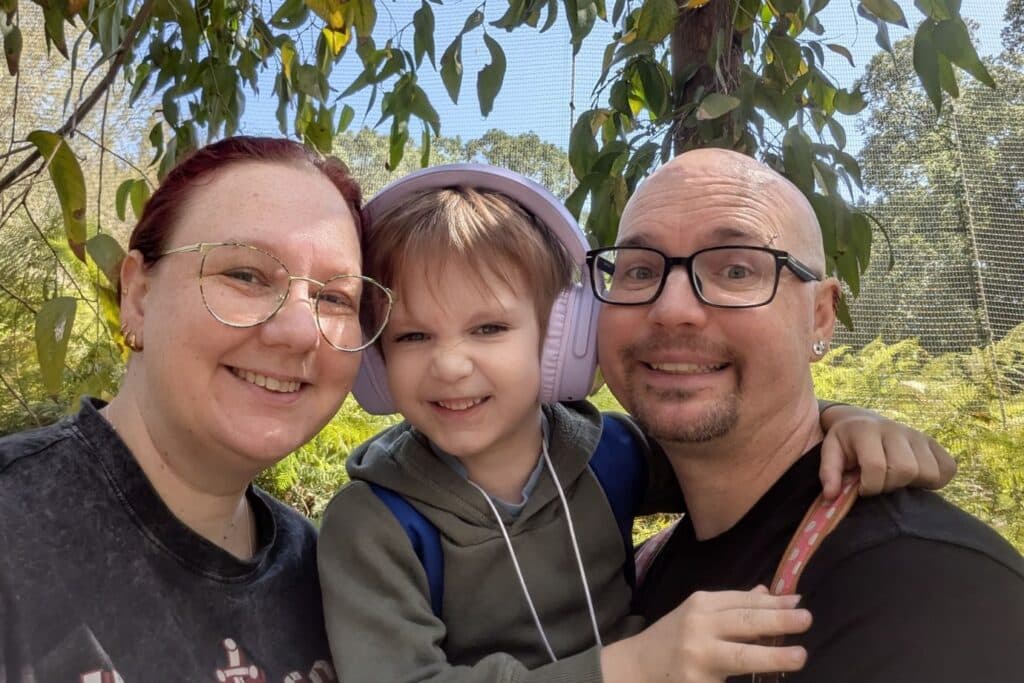
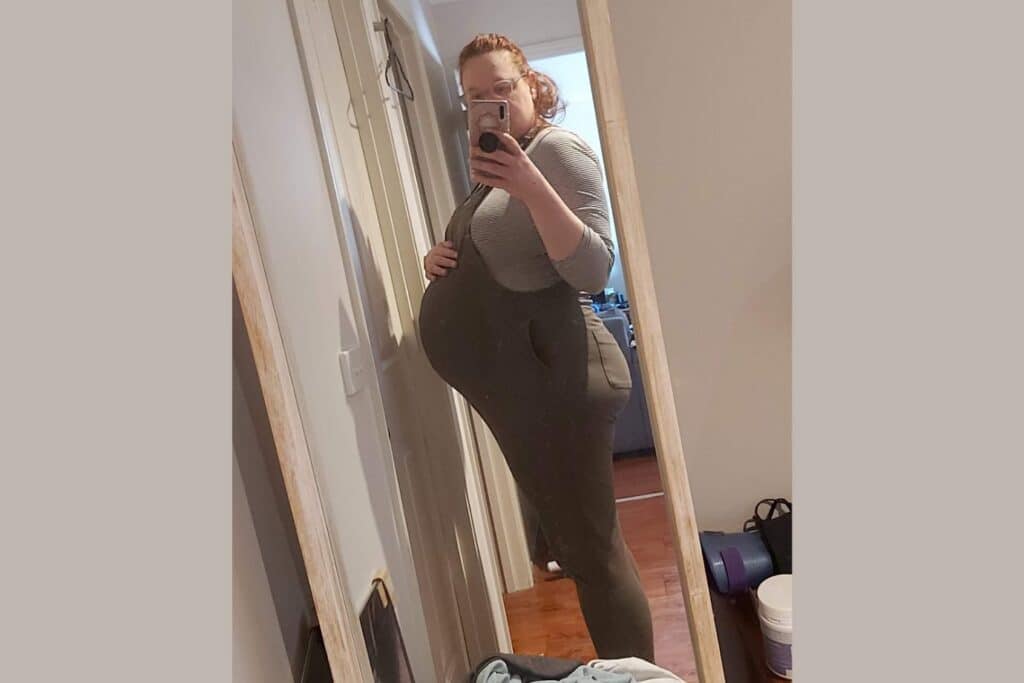
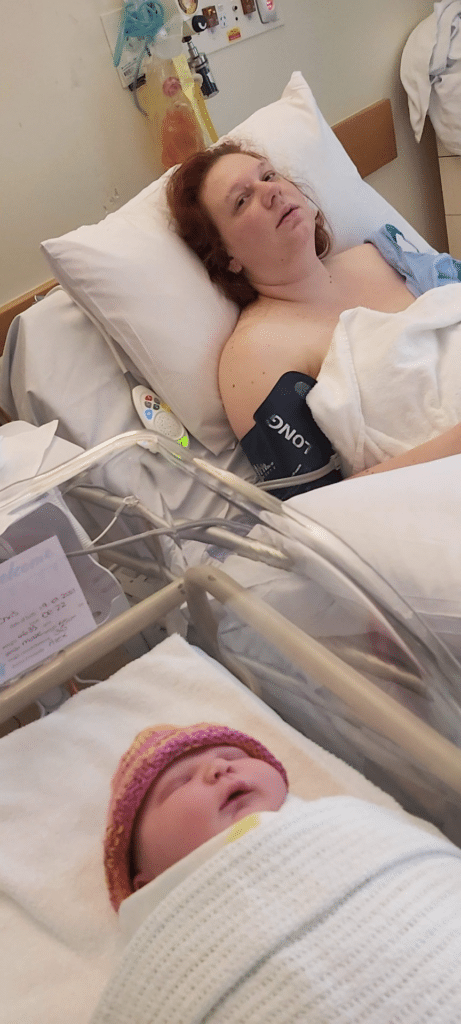
I’ve had enough. Now 36 years old, I was able to fall pregnant naturally and have a healthy son. My uterus has done its job at last and I’m ready to retire it.
With my endometriosis getting worse, I’m currently on a waiting list for a hysterectomy (if I’m lucky it should happen next year). I’ve had three laparoscopies, spent thousands of dollars on medical bills and far too long sitting in doctors’ waiting rooms.
I’ve found it incredibly difficult to function with the pain of my conditions over the years, but the mental impact has been almost as bad. In some ways I consider myself fortunate though – I’m lucky enough to have an incredibly supportive husband and a beautiful family.
We can’t keep treating women as if these serious physical conditions have little or no impact on their mental health. Health professionals need to be educated on the increased risks for women so they can truly support their patients with an integrated model of care.
We need to make it easier to get help as well. The Women’s Mental Health Australia research shows one in three women are still not seeking help for their mental health issues, with almost 1 in 3 (31%) women identifying financial cost as a barrier, while others face long wait lists, difficulty finding appropriate services, lack of time, embarrassment and fear of judgement. Among women who sought help but did not find it useful, almost 1 in 4 (23%) said there were not enough tailored support services specifically for women.
Women are half the country, so this is a challenge which needs to be taken seriously. While I look forward to farewelling my uterus, I don’t want young women and girls experiencing the same problems in our health system in another 5, 10 or 20 years’ time.
I’ve spent 23 years with doctors treating my organs instead of me. I’m getting my hysterectomy, but Australian women deserve far more than just surviving their own biology.