
Seven in 10 Australians believe the federal government has responded too slowly since domestic and family violence was declared a national crisis two years ago, while only 27 per cent believe the response to recent instances of gender-based violence has been adequate.
The findings come from new research commissioned by the Women’s and Girls’ Emergency Centre (WAGEC), which found more than four in five (84 per cent) Australians support increasing government funding for domestic and family violence services.
On Wednesday, the Domestic, Family and Sexual Violence Commission released its annual report to parliament, saying government policies are not yet delivering the impact needed to change the trajectory for people affected by violence, or to save lives.
Reports of sexual violence have also increased by 64 per cent over the past 15 years, reaching the highest level since national recording began 33 years ago in 2025. In the past year, there has been an average decrease of less than one per cent nationally.
“The scale of sexual violence in Australia demands sustained national investment and action, commensurate with the scale of the problem,” said Australia’s Domestic, Family and Sexual Violence Commissioner, Micaela Cronin said.
“Collectively, we must send a clear message that these behaviours are not acceptable, and that people who have experienced sexual violence will be heard, treated with dignity and respect, and supported through their justice and healing journey.”
According to the research released by WAGEC, more than six in 10 Australians believe not enough is being done to prevent domestic and family violence before it occurs. More than half believe the government should accelerate prevention efforts immediately.
A majority (55%) believe prevention must be prioritised across schools, workplaces, communities and social media simultaneously.
Domestic and family violence is cited as a significant national concern, with 34 per cent of people ranking it as either the top issue facing the nation, or among the top three issues.
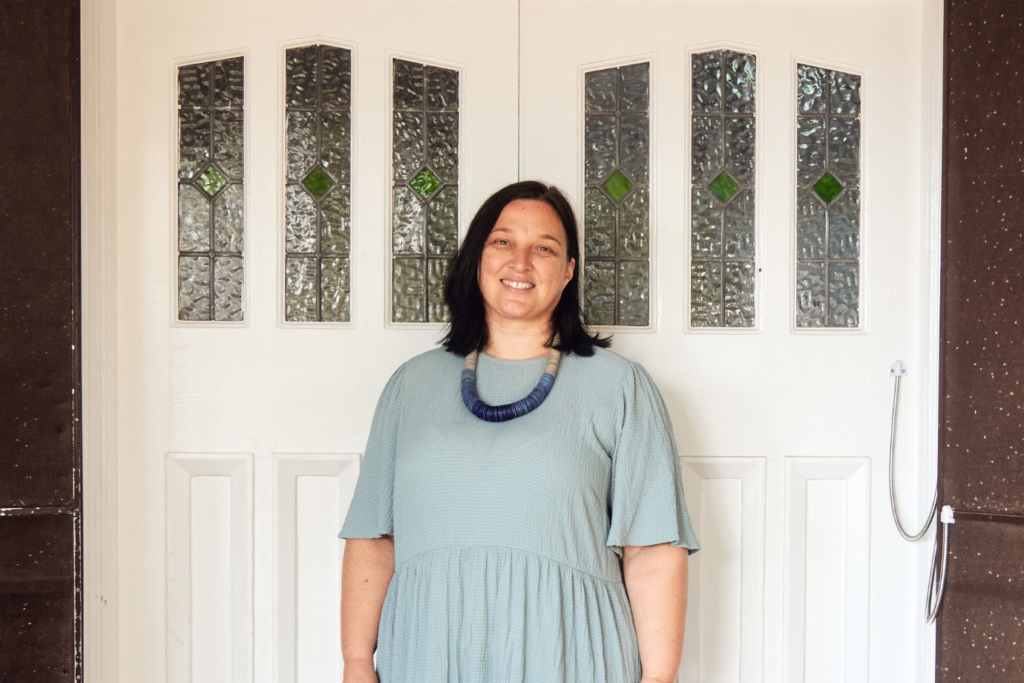
“The message from the community is simple – Australians are saying enough is enough. Action simply cannot wait until after yet another woman or child is harmed,” Nicole Yade, CEO of Women’s and Girls’ Emergency Centre (pictured above) said.
“These results that show that the response to the devastating headlines that have dominated the news over recent weeks simply does not meet the moment.”
Yade said this sentiment is not isolated. Two years after the government declared domestic and family violence a national crisis, it’s clear the pace of change does not match the scale of the crisis.

“They understand that ending violence requires sustained investment in prevention, frontline services and long-term reform. They’re also prepared to back that investment because they know the cost of inaction is far too high,” she said.
This strong message from the public should be kept in mind as consultation on the Second Action Plan to End Violence against Women and Children is now underway.
Feature image: Nicole Yade, CEO of Women’s and Girls’ Emergency Centre.