
When severe weather tore through the Northern Rivers region of New South Wales (NSW) in early 2022 displacing tens of thousands of people and leaving behind the nation’s third-costliest natural disaster on record, women from all walks of life stepped up to help.
From coordinating evacuations and rescues to using social media to ensure stranded families were not forgotten and sharing wound care advice, they carried multiple roles as family members, volunteers, business owners or workers and survivors.

Data from NSW’s small business commissioner shows the state is home to more than 890,000 small businesses that employ nearly 2 million people and close to one in three of these ventures operate outside Sydney’s greater metropolitan region.
Lismore is home to more than 4000 businesses and the regional hub generates over $3 billion in gross regional product annually.
Across the state, more than one in three small business owners are women.
Research shows the ones working out of disaster-struck regions that remain vulnerable to severe weather events have been working against debilitating circumstances and yet somehow find ways to support their families and community.
But their resilience should not be taken for granted.
One study done after the February 2022 floods in the Northern Rivers found it had a significant impact on women in the region.
The report’s lead author Wendy Foote from the University of Newcastle says women’s contributions to community survival were not properly recognised.
“Gender roles are part of why women are more connected and able to form community-based networks,” she says.
“However, it needs to be recognised that gender also has other implications.
“Women are less likely to be consulted and part of decision-making about how to prepare for community disasters.
“On the other hand, women are more likely to be negatively impacted or harmed either in the disaster or after it.
“In the face of these increased risks, women do need to be recognised as both having special needs and vulnerabilities in emergencies but also as being well placed to have roles in leadership in community recovery.”
The study reflects findings from other research looking at women’s leadership in the disaster recovery effort for the Northern Rivers and highlights the fact that the heavy lifting they do to hold regional communities together often goes unpaid and without acknowledgement.
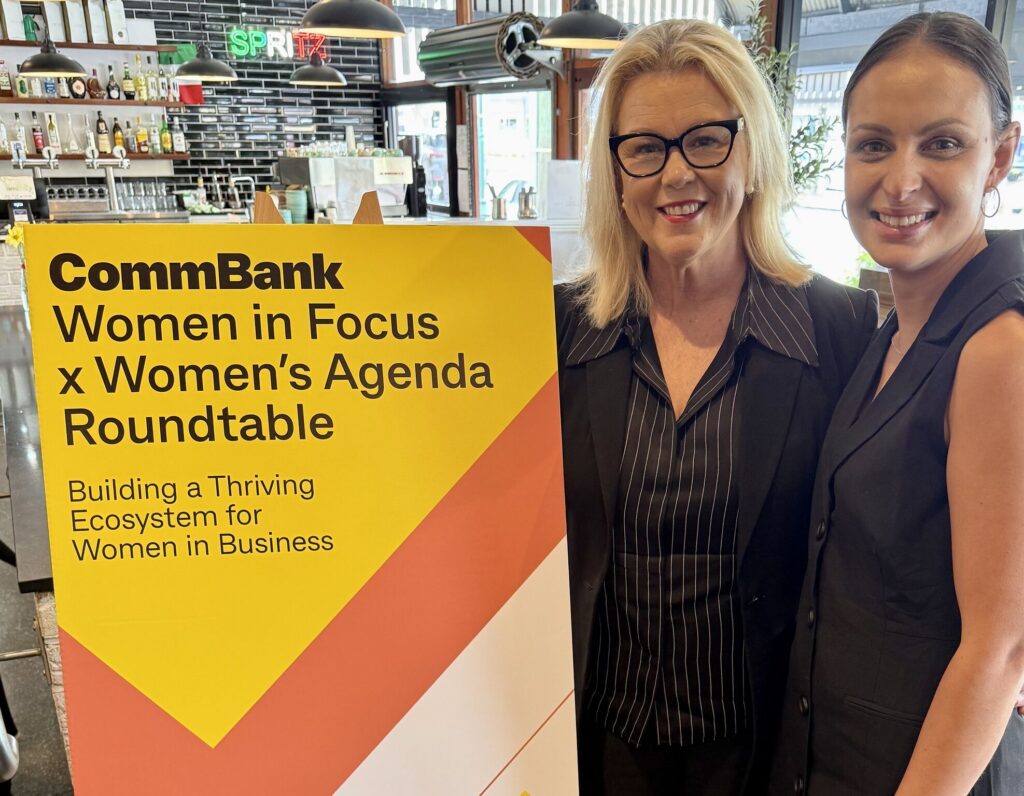
To better understand how small business owners in such regions can be supported, Women’s Agenda and CommBank took their women SMB research project to Lismore in May 2026.
“The Northern Rivers has encountered so much disruption over the last few years with floods and cyclones and all the rest of it and it has really disrupted this region in a way that I think those that live outside of this really can’t understand,” Women’s Agenda Editor-in-Chief Tarla Lambert-Patel says.
“We see communities that are still rebuilding and it’s often women who are at the core of that.
“I think there’s a real risk in romanticizing that kind of resilience that comes from women.
“Because when we’re talking about that kind of resilience it comes at a cost with huge mental loads and pressures that are really creeping up on us and causing big, big problems in the way that we’re living our lives and running our businesses.”
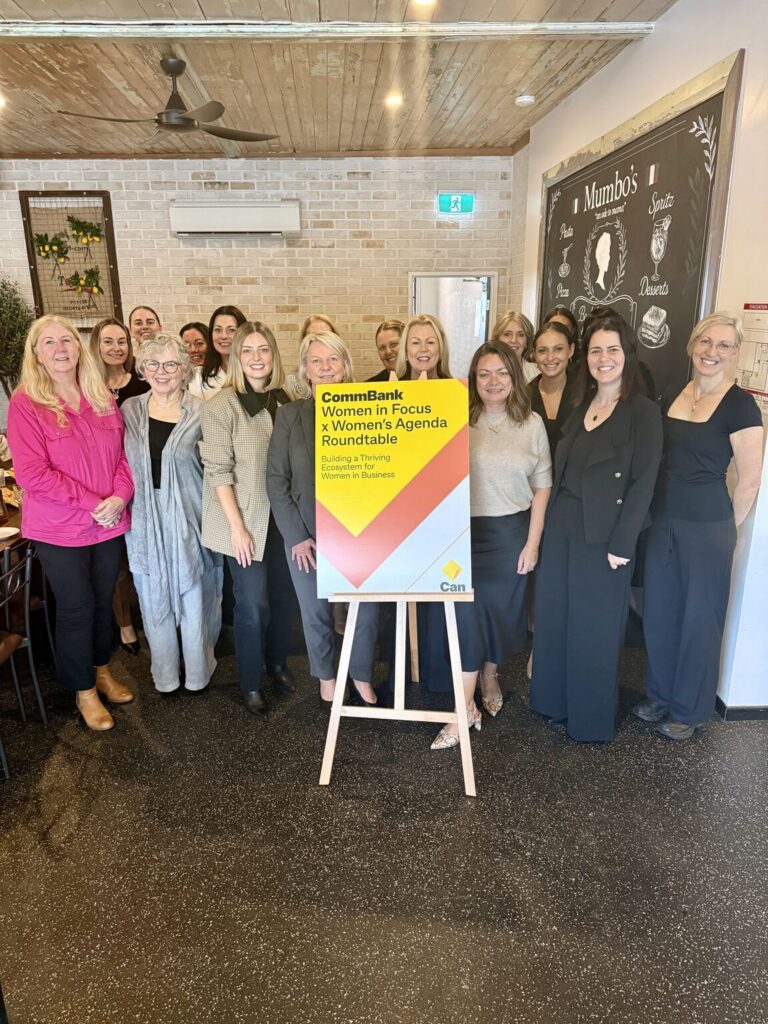
Our Lismore Roundtable draws powerful insights from women SMB leaders in the region who have faced the unimaginable and are still pushing ahead, growing their teams and scaling up.
To ensure they keep this up, the broader ecosystem needs to lean in.
Regional business owners are often isolated and could benefit greatly from dedicated networks, resources, funding and skill development opportunities.
Founders in these areas have the most to gain from AI tools but time constraints and disaster recovery can make it difficult to adopt.
Regional workshops and accelerators aimed at empowering business leaders in communities like Lismore could help connect women with tech that can unlock their potential as well as potential collaborators.
Our latest report provides a practical blueprint to better support these women so they can build sustainable ventures over the long term, continue to create jobs and grow the economy.
Because the women of Lismore and the Northern Rivers have shown repeatedly and at great personal cost what they are capable of.
The question for policymakers, institutions and the broader business sector is whether we are finally willing to match that with the investment it deserves.
Read the full report and roundtable insights from Women’s Agenda and CommBank.