
Many women in Australia have a complex relationship with alcohol, and often it’s hidden behind closed doors.
Historically, the gap between alcohol use in women and men has been smaller; however, that gap is slowly closing, especially among younger women.
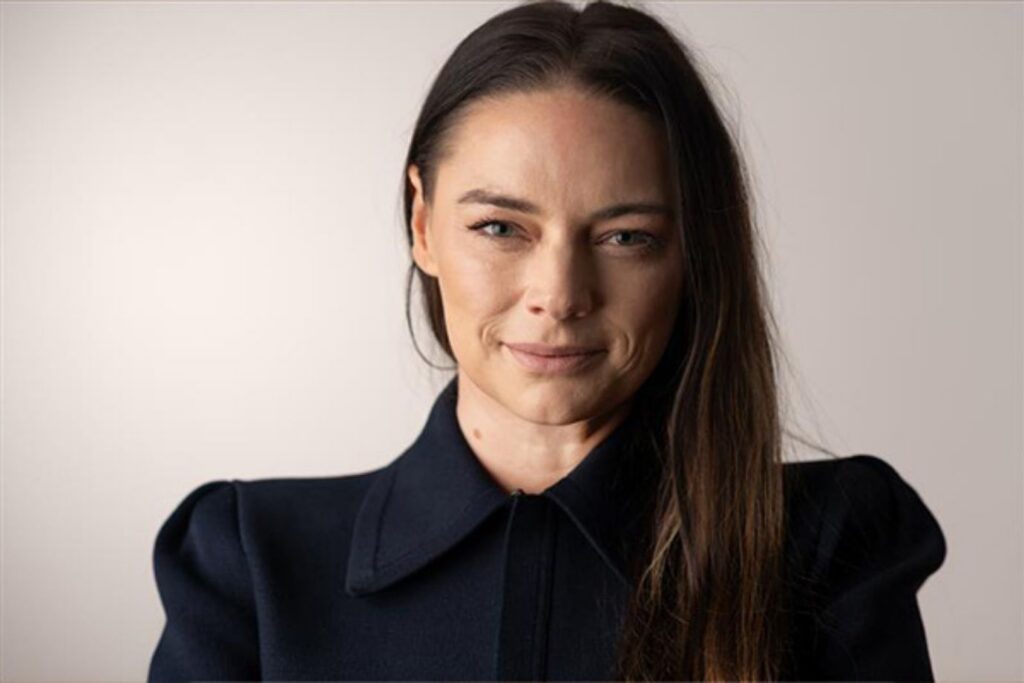
“Alcohol very much sits at the intersection of so many different societal challenges. “It’s so often an early indicator of other things that are happening around [women], like stress within the home, relationships, financial pressures, expectations, etc.” says Ayla Chorley, the CEO of the Foundation for Alcohol Research and Education.
Chorley sat down for an interview with senior journalist Dinushi Dias to discuss the growing impacts of alcohol on women on the Women’s Agenda Podcast.
“When we look at trends, it’s so much a result of the behaviours and policies, environments and the social norms that exist within the time the dataset is taken,” Chorley says, adding that FARE is closely watching the latest trends of younger women’s drinking habits and what is driving them.
What’s behind the trend?
Chorley explains there are a couple of different factors at play, including an increased level of awareness around the harms of excessive alcohol use. FARE has noticed an increase in reports being made to police and support services, which Chorley says is “excellent”.
“What we know about alcohol and harm with women is that the links are quite clear and quite strong,” she says, noting data that shows almost half of Australians are impacted by somebody else’s alcohol use and this disproportionately impacts women and children, in relation to domestic, family and sexual violence.
“We know that alcohol is not the driver of gender violence, but we do know that it’s exacerbating the frequency and the severity of violence and children,” she says.
Referencing research from 2021, Chorley says there was a survey done where more than half of respondents said alcohol was a contributing factor in their sexual assault.
Predatory algorithms
Digital systems are also being used to target and market alcohol towards people, which is having an effect on alcohol usage.
“The alcohol industry has been very effective at using AI and using loopholes within our current privacy legislation to capture, use and sell and buy data to do highly targeted marketing at individuals,” says Chorley, adding that this marketing works well for alcohol brands, in particular towards women.
“We have seen this used in a very unique and harmful, gendered way, in that they purposely target women with messaging around ‘mums having a long day looking after the kids and going to work, they deserve a drink at the end of the day to wind down’.”
“[Companies are] encouraging these kinds of behaviours and directing them at women, with the aim of using women as their consumer base.”
Chorley explains that, especially on social media, platforms are collecting data that alcohol companies then use to target advertising directly to women.
“Women are getting different types of advertising than men are, and we know that their data is being used for the purposes of this targeted marketing,” she says, adding that this is “happening because of predatory algorithms.”
To hear more of this conversation around alcohol use and what needs to happen to better support women, check out the Women’s Agenda Podcast here.
Every Moment Matters is a nation-wide project funded and endorsed by the Australian Government. The campaign provides evidence-based information on alcohol use during pregnancy and breastfeeding and supports Australians to go alcohol-free through all stages of pregnancy, right from the moment they start trying to get pregnant. The campaign was developed by the Foundation for Alcohol Research and Education (FARE) with the support of health professionals and communities across Australia. Learn more at everymomentmatter.org.au